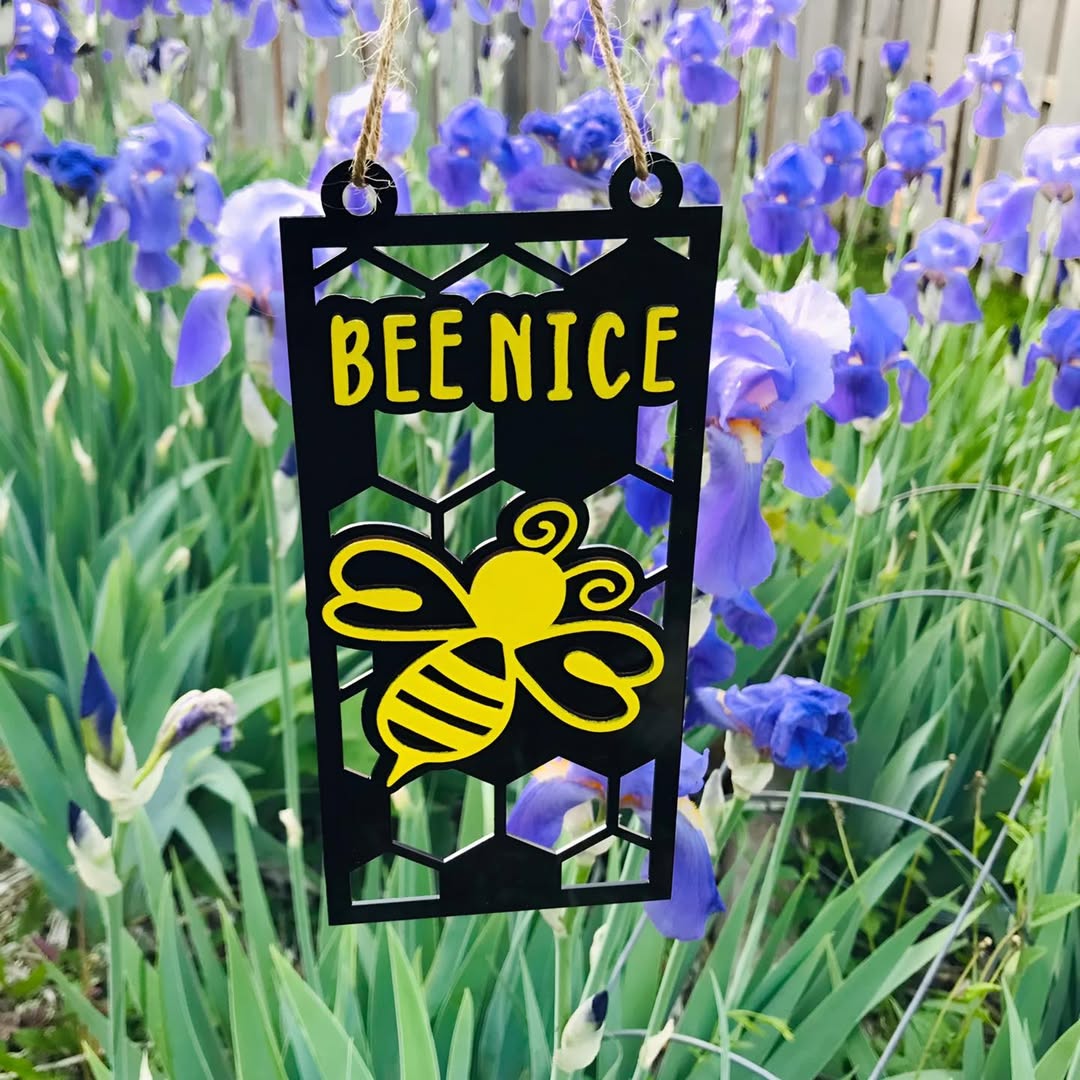
Homemade Garden Signs: Laser Cut or Hand-Drawn Designs for Your Patch of Green
Transforming your garden into a whimsical, organized paradise is easier than you think, especially when you adorn it with
cute vegetable garden signs. These charming markers don't just identify your crops; they inject personality, color, and a sprinkle of joy into every corner of your growing space. Whether you're a tech-savvy crafter with access to a laser cutter or a freehand artist who loves the rustic charm of hand-drawn designs, creating your own garden signs is a rewarding project that adds a personalized touch to your harvest haven. Let's explore the delightful journey of bringing your veggie patches to life with custom signage.
Why Embrace Cute Vegetable Garden Signs? More Than Just Identification!
Beyond mere identification,
cute vegetable garden signs serve as delightful décor, inviting smiles and sparking curiosity. Imagine walking through your garden, greeted by happy, colorful depictions of pumpkins, peas, and potatoes – it instantly elevates the experience from a chore to a cheerful stroll.
Here's why investing time in homemade garden signs is a truly worthwhile endeavor:
*
Adds Personality and Whimsy: Your garden is an extension of your home and personality. Custom signs allow you to express your unique style, whether it's humorous, artistic, or simply charming. They create a focal point and an engaging atmosphere.
*
Engages and Educates: For children, visually appealing signs can transform learning about plants into an exciting adventure. Smiling vegetable characters can make young gardeners feel more connected to the food they're growing, fostering a deeper appreciation for nature and healthy eating. As one little helper wisely put it while pushing a sign into the ground: "Team work is dream work!" – a sentiment that applies to both gardening and crafting!
*
Enhances Organization and Aesthetics: While functional, identifying your crops can also be beautiful. Well-designed signs bring a cohesive, tidy look to your garden beds, making it easier to manage plantings and rotations. They ensure you never mistake a beet seedling for a weed again!
*
Boosts Mood and Happiness: There's an undeniable joy in seeing cheerful markers peeking out from among the foliage. The vibrant colors and friendly faces can genuinely make you happy, setting a positive tone for your gardening efforts and harvests.
The Precision Path: Crafting Signs with a Laser Cutter
For those seeking precision and efficiency, crafting
cute vegetable garden signs with a laser cutter offers a powerful advantage. This method allows for intricate details, consistent designs, and a faster production process, especially if you're making multiple signs.
The process often begins with digital design:
1.
Design Digitally: Start by creating your desired vegetable icons or lettering in a vector graphics program like Adobe Illustrator or Inkscape. These programs allow you to design scalable, crisp images that a laser cutter can accurately interpret. Many crafters draw inspiration from existing illustrations or even create their own whimsical characters to represent each vegetable.
2.
Material Selection and Preparation: Wood is a popular choice for laser-cut signs due to its natural appeal and ease of customization. Common options include pine, plywood, or even MDF. For thicker materials like 3/4-inch pine boards, direct laser cutting all the way through can be challenging or impossible with many home machines. In such cases, the laser cutter can be used to *etch* or *stencil* the design onto the wood's surface. This creates a precise outline that you then manually cut out using a jigsaw or bandsaw. For thinner materials (e.g., 1/4 inch plywood), the laser can cut through completely, leaving you with perfectly shaped signs.
3.
Laser Cutting/Etching: Load your material into the laser cutter and execute your design. If you're etching, the laser will burn the outline or details onto the surface. If cutting, it will precisely slice through the material. This step ensures clean lines and professional-looking results that would be difficult to achieve by hand, especially for complex shapes.
4.
Finishing Touches: After cutting, the signs are ready for assembly and painting. Sand any rough edges, then proceed to add color and protection.
While owning a laser cutter is a significant investment, many local maker spaces, craft shops, or online services offer laser cutting services. This makes the precision method accessible even without owning the equipment yourself. Simply provide your vector files, and they can cut your designs for you.
The Artistic Touch: Hand-Drawn and Hand-Crafted Garden Signs
While laser cutting offers undeniable precision, the heart of many truly
cute vegetable garden signs lies in the authentic, handcrafted touch. This method is incredibly accessible, requiring minimal specialized equipment and allowing for boundless creativity. It's perfect for those who enjoy the tactile process of making and the unique charm of a handmade item.
Here's how to create beautiful hand-drawn signs:
1.
Choose Your Canvas:
*
Wood: Much like laser-cut signs, wood planks (pine, cedar, or reclaimed wood) are excellent canvases. Plywood, fence pickets, or even repurposed wooden stakes can work. For a softer look, consider sanded smooth wood slices.
*
Rocks: Smooth, flat river rocks or garden stones offer a charming, natural canvas. They're durable and require no staking if large enough.
*
Slate or Terra Cotta: These materials provide a sophisticated base for your designs, often with a slightly rustic appeal.
*
Upcycled Items: Think old license plates, ceramic tiles, or even sturdy plastic containers cut into shapes.
2.
Transferring Your Design:
*
Freehand Drawing: If you have a steady hand, simply sketch your design directly onto your chosen material with a pencil. You can erase and refine until you're happy.
*
Tracing: Print your desired veggie icons or lettering. Secure the printout to your material with masking tape, then use carbon paper underneath to transfer the outline. Another method involves rubbing the back of your printout with pencil graphite, then tracing the front to transfer the design.
*
Stenciling: Purchase pre-made stencils or cut your own from cardstock or thin plastic. This method helps ensure consistent lettering and shapes.
3.
Painting and Detailing:
* Use exterior-grade acrylic paints or outdoor craft paints, which are designed to withstand the elements. Apply thin, even coats, allowing each layer to dry before adding more detail.
* Embrace vibrant colors to make your
cute vegetable garden signs pop! Think bright greens for peas, cheerful oranges for pumpkins, and earthy browns for potatoes.
* Add expressive faces, playful patterns, or witty phrases to truly personalize each sign. If you're looking for more inspiration and hands-on tips, check out our guide on
DIY Cute Garden Signs: Make Your Veggies Smile!
4.
Sealing for Durability: This is a crucial step for hand-drawn signs. Once your paint is completely dry, apply several coats of a clear, outdoor-grade sealant (like polyurethane or spar urethane). This protects your artwork from UV rays, rain, and humidity, ensuring your signs remain cheerful season after season.
Bringing Your Signs to Life: Stakes, Paint, and Placement
Once your design is ready, whether precision-cut or lovingly hand-drawn, the next step is transforming it into a durable, charming marker for your patch of green. This involves selecting the right stakes, applying protective finishes, and strategically placing your beautiful creations.
Choosing and Attaching Stakes:
The stability of your garden signs depends on strong, weather-resistant stakes.
*
Metal Conduit or Rebar: As seen in some professional examples, 1/2-inch metal conduit or rebar offers excellent durability and stability. Cut to your desired length, drill pilot holes into the bottom edge of your wooden sign, and secure the sign to the stake with exterior-grade screws.
*
Wooden Dowels or Stakes: Simpler wooden dowels or pre-made garden stakes can be used for lighter signs. Ensure they are treated or sealed to resist rot. Attach them to the back of your sign using wood glue and screws or nails.
*
Natural Branches: For a truly rustic feel, find sturdy, straightened branches. Debark them if desired, seal them, and attach them in a similar fashion to wooden stakes.
*
No Stakes (for Rock Signs): If you've opted for painted rock signs, simply place them directly at the base of your plants or at the entrance of their respective beds. Ensure they are heavy enough not to be easily disturbed.
Painting and Protecting Your Art:
Painting is where your
cute vegetable garden signs truly come to life with personality and cheer.
*
Exterior-Grade Paints: Always opt for paints specifically formulated for outdoor use. Acrylic exterior paints offer a wide range of colors and good durability.
*
Creative Color Schemes: Don't be afraid to experiment with vibrant, contrasting colors that will stand out against the green foliage. Think happy, smiling faces for your vegetables, just like cheerful icons.
*
Weatherproofing is Key: After painting, a vital step is to protect your signs from the elements. Apply multiple coats of a clear, UV-resistant outdoor sealant. Spar urethane is an excellent choice for wood signs as it's designed for marine environments and provides superior protection against sun and moisture. Reapply sealant annually for maximum longevity.
*
Personalized Touches: This is your chance to add unique elements that make your signs truly yours. Consider adding glitter to highlight details, glow-in-the-dark paint for nighttime visibility, or even small embellishments like buttons or beads (ensuring they are weather-resistant). For more ideas on how to infuse your personality into every sign, explore our guide on
Craft Personalized Veggie Garden Signs for Happy Harvests.
Strategic Placement:
Finally, it's time to introduce your happy signs to their new homes!
*
Visibility: Place signs where they are easily seen, but don't overshadow your plants. Consider the mature height of your vegetables.
*
Grouping: If you have distinct garden beds, place a primary sign at the entrance to each bed. Individual crop signs can be placed directly alongside the plants they identify.
*
Stability: When pushing stakes into the ground, ensure they are firm and upright. For metal stakes, a rubber mallet can assist in gentle installation.
Conclusion: Cultivating Joy with Your Custom Garden Signs
Whether you opt for the crisp precision of a laser cutter or the heartfelt charm of hand-drawn artistry, creating your own
cute vegetable garden signs is a project that yields far more than just markers. It cultivates joy, adds vibrant personality to your green spaces, and serves as a delightful expression of your love for gardening. These homemade treasures not only help organize your bounty but also inspire smiles, engage children, and transform your garden into a truly unique and inviting sanctuary. So, gather your materials, unleash your creativity, and get ready to watch your garden bloom with both beautiful produce and charming, personalized signs!